As an Amazon Associate I earn from qualifying purchases.
Coloring can look like “just” a quiet activity. Yet when a child holds a crayon, chooses a color and tries to fill a shape, a lot is going on. Coloring gives little hands practice, gives busy minds something gentle to focus on, and gives families a simple screen-free moment together.
Here’s a practical look at the benefits of coloring for kids, what coloring looks like at different ages, and how to choose a coloring book that fits your child.
The Main Benefits of Coloring for Kids
1. It builds the hand skills used for writing
Children’s occupational therapists use coloring as a stepping stone toward writing. A guide from the NHS Wales children’s occupational therapy service describes coloring as “an important stage in developing pencil skills” that can help develop pencil grasp, pencil pressure, pencil control and an awareness of boundaries.
An occupational therapy tip sheet from the John McGivney Children’s Centre adds that coloring helps develop the finger control needed for printing, and that coloring within lines teaches children to work in a limited space.
In everyday terms: every page your child colors is a little bit of practice for holding a pencil at school.
2. It encourages focus
To color a picture, a child has to keep their attention on one thing for a while: picking a color, moving the crayon, deciding what to color next. Many children find this kind of gentle focus calming, and it can be a nice way to wind down after a busy day.
3. It’s a creative choice-maker
Should the reindeer be brown or rainbow? Coloring is full of small decisions, and every one of them belongs to the child. That freedom is part of the fun, and it can help build confidence.
4. It’s screen-free and easy to start
A coloring book needs no charging, no Wi-Fi and no setup. It works at the kitchen table, in a waiting room or on a long car ride, which makes it one of the simplest screen-free activities to reach for.
5. It invites connection
Coloring side by side is an easy way to spend time together. Talk about the colors, ask about the picture, or simply color quietly next to each other.
6. It’s a natural way to talk about colors and stories
Naming colors, spotting shapes and making up a story about the picture are all easy conversations to have over a coloring page.
What Coloring Looks Like at Different Stages
Children don’t go from scribbles to neat coloring overnight. The NHS Wales guide describes four stages, which roughly look like this:
- Stage 1: making marks with big whole-arm movements, on all kinds of surfaces
- Stage 2: starting to color on paper and aiming at an object, with no regard yet for the lines
- Stage 3: more pencil control, more stroke directions and some awareness of the lines
- Stage 4: filling spaces without many gaps, with more deliberate color choices
Every child moves through these at their own pace, so there’s no need to rush. Coloring “outside the lines” is a normal part of learning.
How to Choose a Coloring Book by Age
The right book makes coloring feel successful instead of frustrating. A good rule from the John McGivney Children’s Centre tip sheet: provide images with thicker borders, and decrease the border thickness as the child’s skills improve.
Toddlers and preschoolers: big shapes, bold lines
Look for large, simple pictures with thick outlines and big open spaces. The NHS Wales guide also suggests keeping areas to be colored small and achievable, so look for uncluttered pages without lots of tiny details.
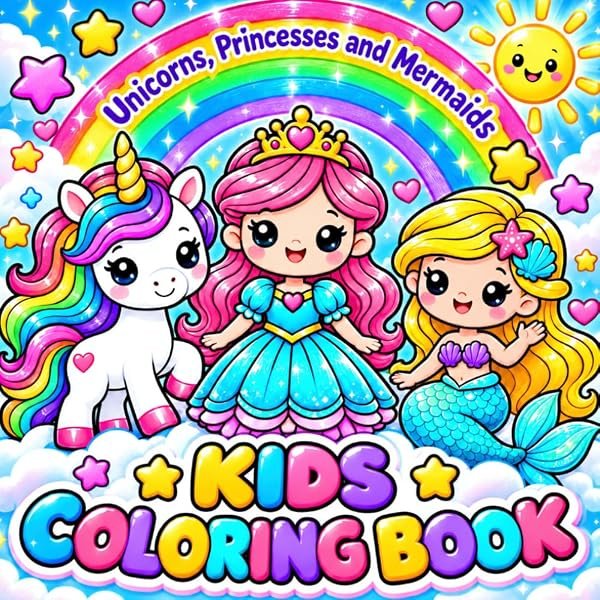
The Unicorns, Princesses & Mermaids Kids Coloring Book has cute, easy-to-color magical pages with bold outlines for ages 2–6.
For the holidays, the Big & Bold Christmas Coloring Book has 50 easy-to-color holiday pages with thick, rounded outlines and large open spaces, for ages 3+.
School-age kids: more detail and everyday scenes
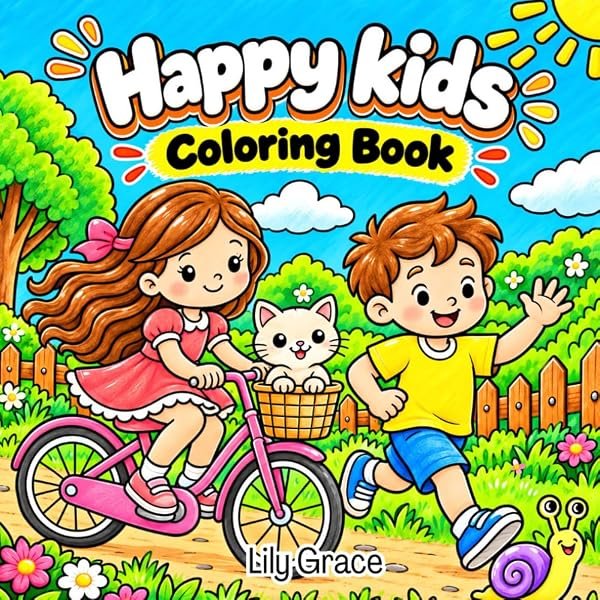
As control grows, children enjoy pictures with more going on. The Happy Kids Coloring Book features sweet everyday moments, outdoor scenes and friendly animals for ages 4–12.
On the go: pocket-size books
A small book is easy to keep in a bag for restaurants, travel and waiting rooms. The Cozy Kids & Cute Pets Mini Coloring Book has 45 sweet scenes of kids and their lovable pets in a handy 6″ × 6″ travel size.
Simple Tips to Get the Most from Coloring
- Offer chunky crayons for small hands. The NHS Wales guide notes that short, chubby crayons can help young children develop their grip.
- Color together. Children often love it when a grown-up joins in.
- Accept unusual colors. A green sun is a creative choice, not a mistake.
- Keep it short and fun. Stop before it becomes a chore.
- Show their work. A fridge gallery tells kids their effort matters.
Frequently Asked Questions
Is coloring good for toddlers?
Yes, coloring is a gentle way for toddlers to practice holding and moving a crayon. Children’s occupational therapy guides describe coloring as an early step in developing pencil grasp and control. Start with chunky crayons and big, simple pictures.
What does coloring do for a child’s development?
Coloring gives children practice with pencil grasp, pressure and control, and helps them understand boundaries on a page, all skills that support later writing. It also offers focused, creative, screen-free time.
What is a good coloring book for a 3-year-old?
Choose a book with large, simple pictures, thick outlines and plenty of open space. Single-sided pages are a bonus, since markers won’t spoil the next picture.
Should I teach my child to color inside the lines?
There’s no rush. Coloring inside the lines comes with practice and develops in stages. Gentle encouragement, like pointing to a space that still needs color, works better than correcting.
Explore Cozy Coloring Books for Kids
Lily Grace creates cozy coloring books and stories for children, including big-and-bold books for little hands and pocket-size minis for life on the go. Browse them all on the Lily Grace books page.
As an Amazon Associate I earn from qualifying purchases.
Leave a Reply